Central air conditioning represents the pinnacle of residential climate control. Unlike localized units that struggle to push air beyond a single doorway, a properly calibrated central system treats the entire home as a single environmental ecosystem. By integrating seamlessly with forced-air heating ductwork, these setups offer comprehensive, invisible, and virtually silent cooling.
However, the complexity of a centralized system means that purchasing, installing, and maintaining one requires substantial knowledge. A poorly sized unit or leaky ductwork can negate the inherent advantages of the technology, leading to soaring utility bills and inconsistent temperatures.
How Central Air Conditioning Works
A standard central AC system is an example of a "split system," meaning its components are divided between the interior and exterior of the home. The basic principle relies on phase-conversion of refrigerants—chemicals designed to rapidly absorb and release heat as they transition between liquid and gaseous states.
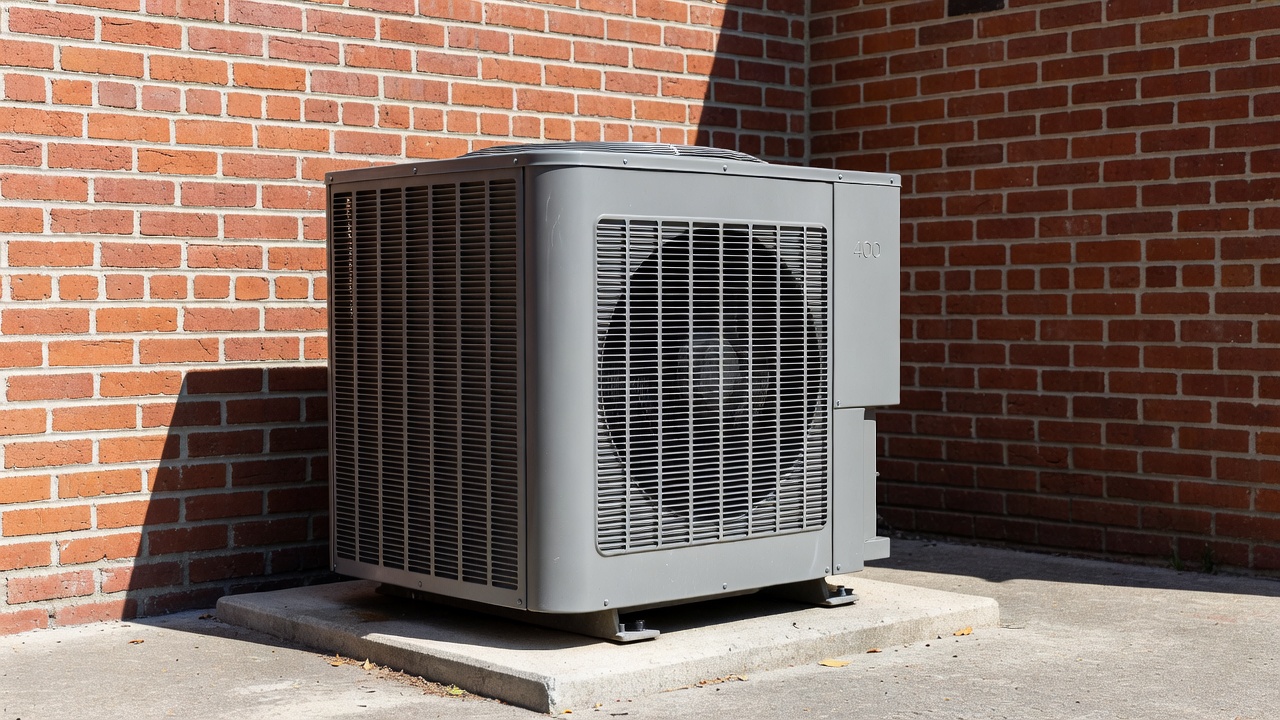
The outdoor unit, commonly referred to as the condenser, houses the compressor, the condenser coil, and a large fan. The indoor component, usually integrated into the home's furnace or air handler, contains the evaporator coil and a blower motor. As warm indoor air is pulled through the return ducts and blown across the chilled evaporator coil, heat is extracted and moisture condenses (which is why AC units require drainage). The cooled, dehumidified air is then distributed throughout the home via the supply ducts.
Meanwhile, the refrigerant—now laden with the heat removed from your home—travels to the outdoor condenser. The compressor pressurizes the gas, raising its temperature further, before it flows through the condenser coil where the large fan dissipates the heat into the outdoor air. The cycle then repeats continuously until the thermostat registers the target temperature.
Key Benefits and Drawbacks
Evaluating central air requires looking at both the long-term lifestyle benefits and the substantial upfront logistical hurdles.
Pros:
- Consistent Comfort: Central air eliminates "hot spots" in the home, maintaining a uniform temperature across multiple rooms and floors.
- Aesthetics and Noise: Because the noisiest component (the compressor) sits outside, and the indoor components are hidden in basements or utility closets, central air is unobtrusive compared to window units.
- Air Filtration: By pulling all household air through a central filter, these systems drastically improve indoor air quality, capturing dust, pet dander, and pollen before circulating the cooled air.
- Property Value: In many real estate markets, central air is considered an essential feature, directly increasing the resale value and marketability of a property.
Cons:
- High Upfront Cost: The equipment and professional installation command a significant premium, especially if ductwork needs to be installed or retrofitted.
- Ductwork Dependency: Central AC is only as efficient as the ducts it uses. Leaky, uninsulated, or poorly designed ducting can result in up to 30% cooling loss.
- Inflexible Zoning: Standard single-stage systems cool the entire house at once. If you only want to cool the bedroom at night, you still have to pay to cool the empty living room, unless you invest in advanced motorized dampers.
Understanding Efficiency Ratings
When evaluating central systems, the primary metric encountered is the Seasonal Energy Efficiency Ratio (SEER). SEER calculates the total cooling output provided over a typical cooling season divided by the total electrical energy input during the same period.
In recent years, regulatory bodies have transitioned to SEER2, which uses updated, more stringent testing conditions that better reflect real-world duct static pressures. A higher SEER or SEER2 rating indicates a more efficient machine that will cost less to run over its lifespan. While minimum legal limits vary by region, high-efficiency models often feature variable-speed compressors that can adjust their output in tiny increments rather than simply turning on at 100% capacity or shutting off completely.
Maintenance Best Practices
To preserve the lifespan and efficiency of a central system, regular maintenance is non-negotiable. The most critical homeowner task is regularly replacing the indoor air filter. A clogged filter restricts airflow, forcing the blower motor to work harder, which can lead to frozen evaporator coils and eventual compressor failure.
On the exterior, the condenser unit requires clear airflow to dissipate heat. Homeowners should ensure that vegetation, leaves, and debris are cleared away from the unit, maintaining at least a two-foot clearance on all sides. Annually, a professional technician should inspect electrical connections, verify refrigerant charge levels, and clean the delicate fins on the coils to ensure the system operates at peak theoretical efficiency.