Cooling residential spaces during the height of summer accounts for a massive percentage of domestic energy grids worldwide. While manufacturers continuously refine the efficiency of air conditioning hardware, an AC unit is only one half of the equation. True energy efficiency requires viewing your home as a sealed thermal envelope. The goal is twofold: maximize the efficiency of the machine generating the cold air, and rigidly prevent that cooled air from escaping the structure.
Optimizing the Thermal Envelope
The hardest working air conditioner in the world will struggle to maintain temperature if the building is actively bleeding heat into the living space. The first step in an energy-efficient cooling strategy has nothing to do with the AC unit itself—it relies on insulation and air sealing.
Attics are notorious for trapping radiant heat from the sun, reaching temperatures well over 130 degrees Fahrenheit. Without adequate, modern insulation on the attic floor, that heat slowly radiates downward, creating a constant thermal load on the rooms below. Likewise, aging weather stripping around external doors and uncaulked gaps around window frames allow drafts to pass freely. Sealing these breaches is relatively inexpensive but provides immediate, tangible reductions in cooling demands.
Managing Solar Heat Gain
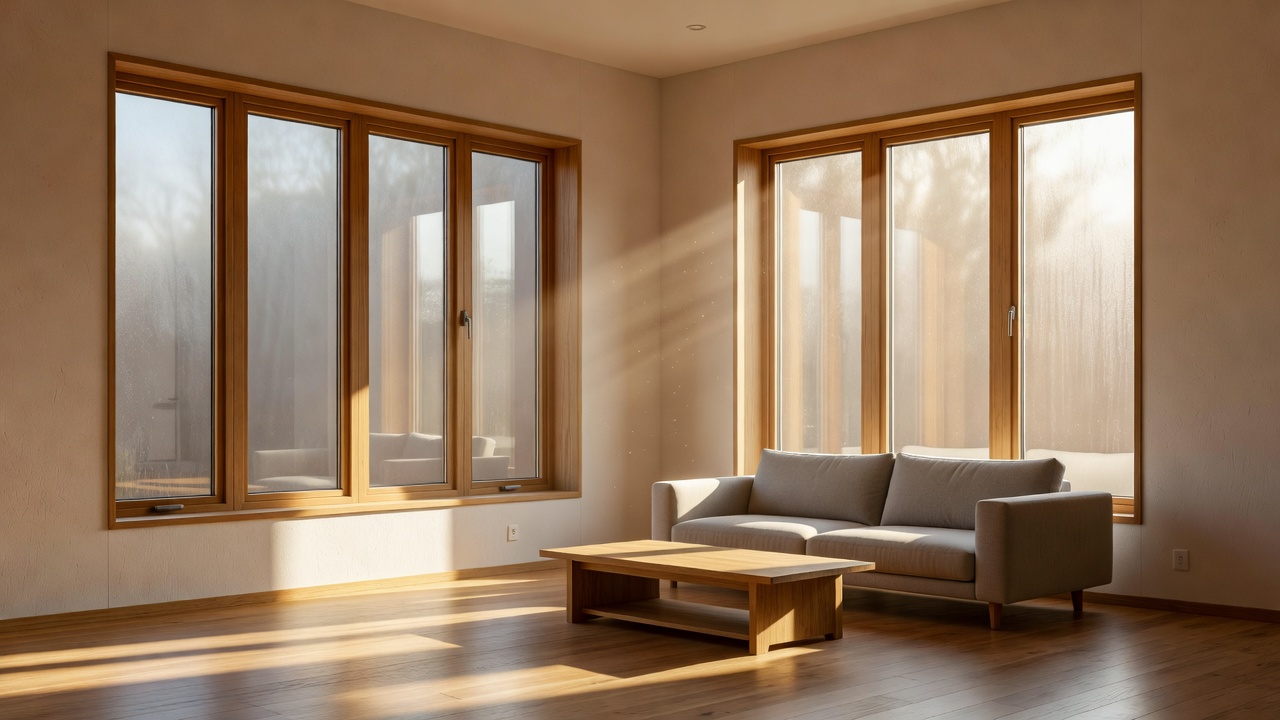
Windows, particularly those facing east and west, allow direct sunlight to enter the home. This light is converted to heat upon hitting floors and furniture—a phenomenon known as solar heat gain. By managing this passively, you dramatically reduce the work your AC has to do.
- Window Treatments: Utilizing blackout curtains, thermal blinds, or reflective window films during the sunniest parts of the day can block immense amounts of thermal radiation.
- Landscaping: Planting deciduous trees strategically on the southern and western elevations provides natural shade during the summer, while losing their leaves to allow warming sunlight through during the winter.
Appliance Efficiency and Maintenance
When looking at the mechanical side, the operational state of the air conditioner dictates its power draw. A unit choked by a dirty air filter must run its blower motor longer and harder to achieve the same airflow. Checking and replacing air filters every 30 to 90 days (depending on pet ownership and local air quality) is the most critical maintenance task for energy efficiency.
Additionally, the outdoor condenser coils must remain clean. If the metal fins become caked in dirt, pollen, or lawn clippings, the unit loses its ability to transfer heat to the outside air effectively, driving up electricity usage and accelerating hardware wear.
The Role of Variable Speed Technology
If you are in the market for a new system, prioritizing variable-speed or inverter-driven compressors is paramount. Traditional compressors run at maximum capacity until the thermostat clicks off. Inverter compressors adjust their speed dynamically, running at lower, continuous capacities to maintain the temperature. Because motors require massive spikes of electricity to start up, running constantly at a low speed uses significantly less energy over the course of a day than constantly stopping and starting.
Efficiency is a moving target that combines hardware capability, structural integrity, and human behavior. By addressing the leaks in your home, managing the sun's impact, and maintaining your equipment, you can stay cool without dreading the monthly utility bill.